Classroom 15x: Redefining the Future of Learning Spaces
Introduction to Classroom 15x
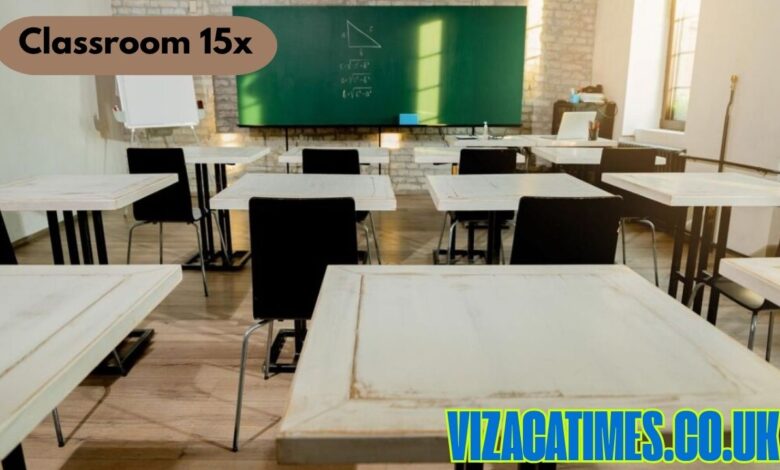
In the rapidly evolving world of education, the term classroom 15x has begun to capture the attention of students, teachers, and technology innovators alike. While traditional classrooms have followed a familiar model for decades, classroom 15x introduces a fresh approach to interactive learning, digital collaboration, and academic engagement.
More than just a room or a concept, classroom 15x represents a transformation in how knowledge is delivered and absorbed. It’s a blend of cutting-edge technology, innovative teaching strategies, and a learner-focused design. In this article, we will explore the origins, structure, benefits, and future possibilities of classroom 15x, while also considering its impact on both in-person and remote learning.
What is Classroom 15x?
At its core, classroom 15x is a learning environment that goes beyond traditional boundaries. The “15x” may refer to a designation within an academic building, a specialized course module, or a unique pedagogical model. Regardless of the exact origin, the concept emphasizes adaptability, collaboration, and engagement.
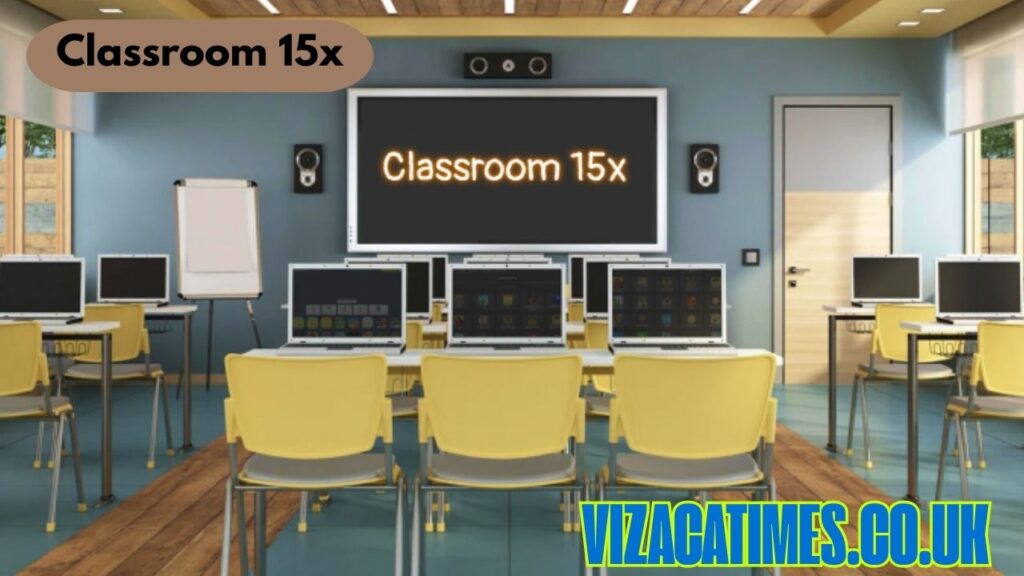
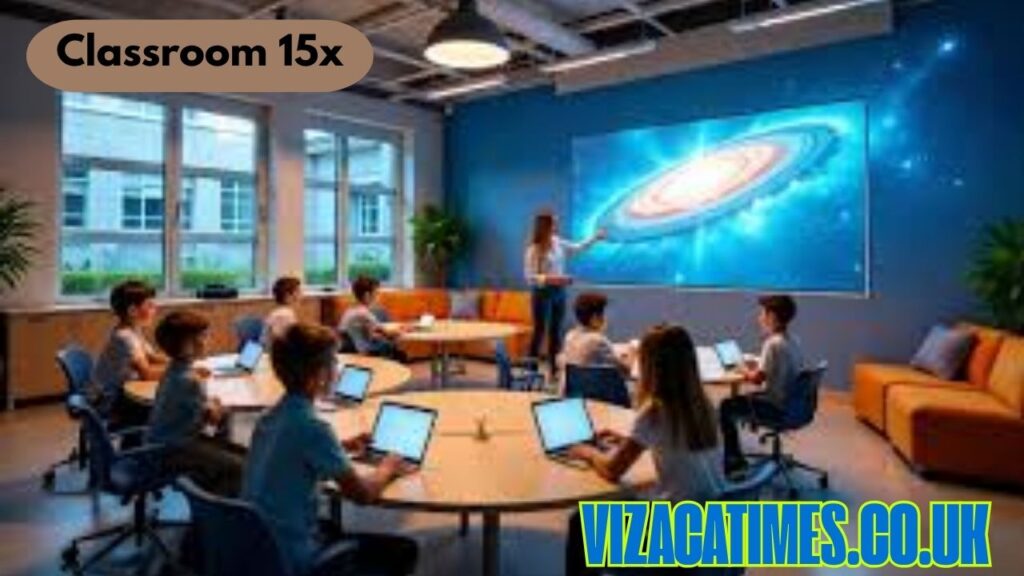
Unlike typical classrooms where rows of desks face a single instructor, classroom 15x often features flexible seating arrangements, multiple interactive displays, and areas designed for both group and individual work. In some cases, it may also extend into the virtual space, integrating remote learners seamlessly into the lesson.
The Technology Behind Classroom 15x
Technology plays a central role in making classroom 15x effective. Smartboards, projection systems, video conferencing tools, and interactive platforms are standard features. Instructors can display multimedia content, conduct live polls, and even split the class into breakout groups with the touch of a button.
Cloud-based tools make it easy for students in classroom 15x to collaborate on documents, presentations, and projects in real time. For remote participants, the setup ensures they have equal access to materials and discussions, bridging the gap between physical and virtual learning.
Teaching Methods in Classroom 15x
Classroom 15x encourages a more dynamic teaching style compared to traditional lectures. Instead of simply delivering information, instructors act as facilitators, guiding discussions, posing questions, and encouraging active participation.
Project-based learning, peer-to-peer teaching, and problem-solving activities are common in classroom 15x settings. This makes the environment ideal for courses that require creativity, collaboration, and critical thinking, such as design, marketing, engineering, and entrepreneurship.
The Student Experience in Classroom 15x
Students often find classroom 15x to be more engaging than standard learning environments. The flexibility of the room allows them to move around, work in different configurations, and interact with peers more freely.
Surveys show that learners in classroom 15x appreciate the mix of physical and digital tools, as it caters to different learning styles. Visual learners benefit from multimedia displays, auditory learners from discussions, and kinesthetic learners from interactive activities.
Classroom 15x and Remote Learning Integration
One of the standout features of classroom 15x is its seamless integration with remote learning technologies. Cameras, microphones, and large displays ensure that students participating from home can see and hear everything clearly.
This makes classroom 15x an excellent option for hybrid classes, where some students are physically present while others join virtually. The model allows institutions to maintain inclusivity without compromising the quality of education.
The Design and Layout of Classroom 15x
The physical design of classroom 15x is intentional. Flexible furniture allows quick reconfiguration for group work or individual focus. Acoustic treatments help manage noise levels, making it easier for students to concentrate.
Technology hubs are positioned strategically so students can easily connect laptops, tablets, or other devices. Whiteboards and writable surfaces are spread throughout classroom 15x, encouraging brainstorming and collaboration.
Benefits of Classroom 15x
There are several benefits to implementing classroom 15x:
- Enhanced Engagement: Students are more likely to participate when the environment encourages interaction.
- Collaboration Opportunities: Flexible layouts promote teamwork.
- Adaptability: Suitable for lectures, discussions, and project-based learning.
- Tech Integration: Supports digital tools for both in-person and online students.
These advantages make classroom 15x appealing not just for schools but also for corporate training sessions and professional development programs.
Challenges of Classroom 15x
Despite its many benefits, classroom 15x faces certain challenges. Technology requires maintenance, and not all instructors may feel comfortable with advanced tools. Training and support are essential to make the most of the environment.
Additionally, the cost of designing and equipping classroom 15x can be high, making it a significant investment for educational institutions. However, many see this as a long-term investment in the quality of education.
Real-World Applications of Classroom 15x
Around the world, variations of classroom 15x are being adopted by universities, private schools, and corporate learning centers. For example, some institutions use classroom 15x to host guest speakers from different countries, connecting learners to global perspectives without the need for travel.
Others employ classroom 15x for interdisciplinary projects, bringing together students from different fields to solve complex problems. This mirrors real-world working environments where collaboration across specialties is common.
Future Trends for Classroom 15x
Looking ahead, classroom 15x may incorporate artificial intelligence to customize learning experiences for each student. AI could suggest resources, adapt lesson pacing, and provide real-time feedback.
Virtual reality (VR) and augmented reality (AR) could also play a role, allowing students in classroom 15x to explore simulations, conduct virtual experiments, and interact with 3D models.
Why Classroom 15x Matters
The introduction of classroom 15x signals a broader shift in education. Instead of focusing solely on content delivery, educators are prioritizing the learning experience itself. By combining technology, flexibility, and interactivity, classroom 15x offers a model that prepares students for the collaborative, tech-driven world they will enter after graduation.
Also Read: Tennessee Titans vs Texans Match Player Stats: A Complete Game Analysis