The Unclear Journey of Linda Bazalaki From Pageant Spotlight to Private Life
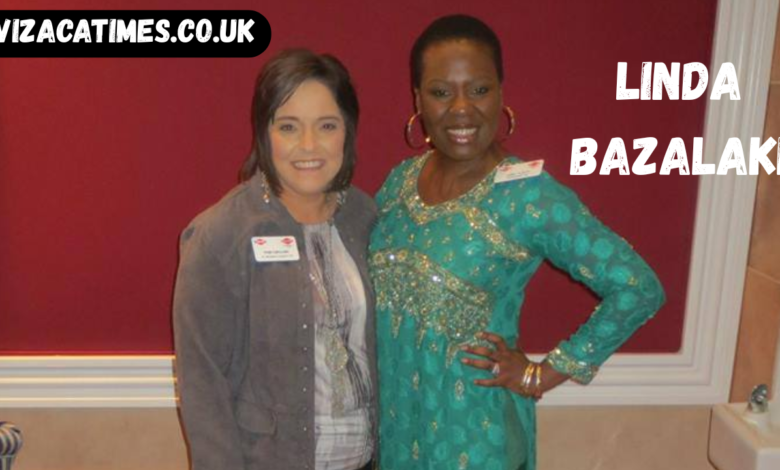
Stories of public figures who reinvent themselves are always compelling. One such name that turns up repeatedly in online bios and magazine-style write-ups is linda bazalaki. Across countless short profiles, she is described as a former beauty queen who later pursued a career in healthcare, embraced entrepreneurship, and maintained a low-key personal life outside the glare of mainstream media. Yet, when you dig into those accounts, a pattern appears: the same narrative repeats, details conflict, and authoritative verification is scarce. This article unpacks the commonly told story of linda bazalaki, separates reported facts from uncertain claims, and offers context and possible angles for readers and writers who want to explore her narrative responsibly.
Who Is Linda Bazalaki? The Common Narrative

Most profiles portray linda bazalaki as a public-facing figure with a background in beauty pageants. According to popular accounts, she won a national pageant title in Uganda and later transitioned into careers that included service positions and healthcare. The story often follows a neat arc: youthful recognition in the public eye, migration or relocation, further education, and a professional reinvention into nursing or healthcare services.
This narrative resonates because it mirrors many real-life transitions: early public recognition followed by a desire for a different, more stable vocation. But while the outline is attractive, the specifics — dates, titles, and professional certifications — tend to differ from source to source. That inconsistency is key to understanding how this story should be handled in any factual piece.
Contradictions and Why They Matter
When writing about people who are only partially documented online, two responsibilities rise to the top: clarity and caution. In the case of linda bazalaki, here are the main contradictions and why you should care about them.
Conflicting Personal Details
Different profiles list different birth years and timelines that don’t align logically with the pageant years they mention. For instance, a person presented as a pageant winner in the early 1990s but attributed a birth year in the 1990s raises obvious chronological issues. These kinds of mismatches make it difficult to treat any single source as authoritative.
Varying Career Descriptions
Some write-ups describe linda bazalaki as a flight attendant before moving into healthcare; others skip that step entirely and list academic qualifications that are not corroborated elsewhere. Whether she worked as a registered nurse, nurse practitioner, or in another medical role is described differently across sources — and without access to institutional or licensing records, these remain contested claims.
Private Life Reported but Unverified
Details like marriage, spouse’s name, the existence of children, and residence often appear in bios but lack primary-document backing. That doesn’t mean they are false, only that they should be treated as personal, possibly private details until confirmed by reliable documentation or direct statements from the person involved.
Why So Many Inconsistent Profiles Exist
Understanding the broader internet ecosystem helps explain why figures like linda bazalaki attract conflicting biographies.
Content Recycling
Short magazine sites and biography pages often republish or lightly rework existing copy. One inaccuracy gets copied again and again, gaining apparent legitimacy through repetition.
Lack of Primary Sources
Many online bios rely on a mixture of social media posts, user-submitted information, and syndicated content. When primary verification (official records, interviews, or reputable press coverage) is absent, the margin for error grows.
Name Confusion and Attribution Errors
Names can be misspelled, misattributed, or conflated with other individuals. Over time, small errors compound and create a narrative that feels coherent but may be built on shaky foundations.
How to Write Responsibly About Linda Bazalaki
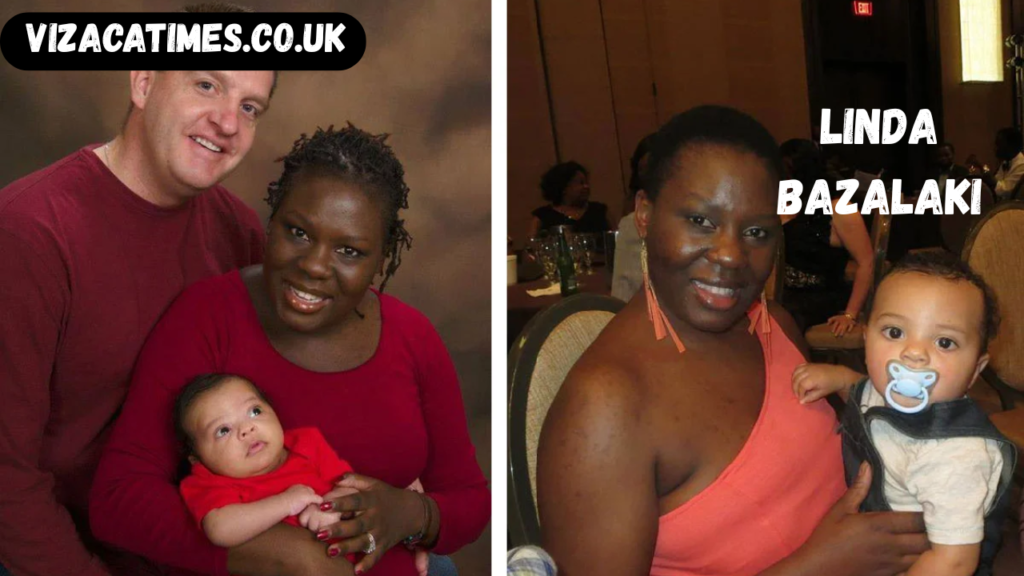
If you plan to write an article, blog post, or profile about linda bazalaki, here are practical steps to ensure your piece is responsible, accurate, and useful to readers.
State What Is Verified vs. What Is Reported
Begin the piece with a short note explaining which elements are confirmed and which come from repeated online reports. Transparency helps readers assess credibility.
Use Neutral Language Around Unconfirmed Claims
Phrases such as “reported to have,” “according to online profiles,” or “widely described as” make clear that the information is not fully verified.
Avoid Sensationalizing Personal Details
Treat marital status, family life, and medical history with care. If sources don’t provide primary confirmation, omit intimate details or explicitly label them as unverified.
Offer Context — Not Just Claims
Frame her story within broader topics readers care about: career reinvention after fame, the challenges of verifying online biographies, and the experiences of diaspora communities navigating identity across borders.
Encourage Reader Skepticism and Provide Tools
If your platform allows, include a short note about how to verify public figures (e.g., checking official pageant archives, professional licensing boards, or direct interviews).
Suggested Article Angles and Headline Options
Depending on your blog’s focus, here are several headline and angle suggestions that use the exact keyword linda bazalaki naturally in the title while reflecting different editorial aims.
Informational / Investigative Angle
- “When Public Bios Clash: Investigating the Life and Reports About linda bazalaki”
- Focus: expose contradictions and teach readers how to evaluate online biographies.
Human Interest / Inspirational Angle
- “Reinvention and Identity: The Reported Journey of linda bazalaki From Pageants to Healthcare”
- Focus: a narrative-driven piece exploring themes of growth and career change, with caveats on verification.
Cultural / Diaspora Angle
- “Crossing Borders and Careers: What the Story of linda bazalaki Tells Us About Culture and Migration”
- Focus: explore cultural identity, maintaining heritage abroad, and how community figures represent national pride.
Practical / How-To Angle
- “How to Verify a Public Biography: Lessons From the Case of linda bazalaki”
- Focus: a practical guide for journalists, bloggers, and curious readers.
The Reported Timeline What Sources Generally Claim
Below is a composite timeline constructed from recurring claims across online profiles. Treat each entry as “commonly reported” rather than confirmed fact.
Early Years and Pageant Recognition
- Many bios assert that linda bazalaki gained public recognition through a national beauty pageant, often tied to Uganda. Whether this was a formal national title or another recognized competition varies by account.
Early Career: Service and Travel
- Several write-ups state that she worked in service roles such as a flight attendant; this part of the narrative helps explain later international relocation and exposure to different cultures.
Education and Shift to Healthcare
- Other profiles claim she later pursued formal education and transitioned into nursing or healthcare services, eventually working in a clinical role in the United States. The exact credentials (degree titles, licensing details) are inconsistently reported.
Family and Private Life
- Some sites mention a marriage and children, but specifics are usually absent or labeled as private.
Themes Worth Exploring in a Longer Feature
If you’re preparing a detailed feature on linda bazalaki, the following themes will help you build depth and reader engagement — even if some specifics remain unverified.
Career Reinvention
- Explore how public recognition can both open doors and create pressure to maintain an image. Discuss real-world examples of people who pivot from public-facing roles to private professions, and examine motivations behind such choices.
The Pageant Ecosystem
- Provide historical or contextual background on pageants in Uganda (or the relevant country), how winners are supported, and what post-pageant life often looks like for contestants.
Identity and Migration
- Discuss how migration and living abroad influence identity, community engagement, and public representation, especially for individuals connected to national pride.
The Ethics of Online Biographies
- Use the case to highlight the need for careful reporting, the risks of recycled content, and the ethical duty to protect privacy when facts are unverified.
Writing Tips SEO and Readability While Respecting Privacy
Because you asked for a search-optimized article, here are practical writing tips to keep the piece discoverable and trustworthy.
Use the Keyword Naturally
- Place linda bazalaki in the title, first paragraph, a few subheadings, and scattered naturally through the body. Avoid stuffing — aim for clarity and flow.
Prioritize Readability
- Use short paragraphs, clear subheadings, and occasional bullet lists to make the article scannable.
Meta Elements
- Draft an informative meta description (150–160 characters) that mentions linda bazalaki and the article’s focus on investigation and context.
Structured Data (if you control site HTML)
- Use schema (Article / NewsArticle) where appropriate to help search engines understand the piece’s structure; include the author and a concise, neutral description.
Balance Keywords With Context
- While the target keyword is important, the article will also benefit from semantically related phrases such as “pageant winners’ careers,” “career reinvention,” “verifying online biographies,” and “Ugandan pageants” — but only include those where they naturally fit.
Sample Outline You Can Use Directly
Below is a ready-to-use outline to help you write a full article about linda bazalaki that is both engaging and responsible.
- Title: The Unclear Journey of linda bazalaki: Pageants, Healthcare, and the Challenge of Verification
- Introduction: Present the common story and state the verification caveat.
- Who Is linda bazalaki? Summarize the repeated narrative.
- Conflicting Facts: List major discrepancies and explain why they matter.
- Reported Timeline: Composite of claimed life events, clearly labeled as reported.
- Themes to Explore: Reinvention, identity, pageants, ethics of biography.
- How to Verify: Practical steps readers and writers can take.
- Suggested Angles and Headlines: For future content producers.
- Conclusion: Summarize takeaways and emphasize responsible reporting.
- FAQs: Answer common reader questions succinctly.
Conclusion: A Compelling Story That Needs Careful Handling
The accounts of linda bazalaki combine an inspiring framework with numerous verification challenges. That combination makes her story attractive for storytelling but demands care from anyone who crafts narrative content around her. Present the compelling arcs — pageant recognition, career transition, and cultural presence — while clearly noting limits to verification. That honest approach strengthens credibility and offers readers both a captivating narrative and a model for thoughtful journalism.
Frequently Asked Questions (FAQs)
1. Who is linda bazalaki?
linda bazalaki is a name that appears across several online biographies describing a woman who moved from pageant recognition to a career in healthcare and entrepreneurship. However, many details about her life vary between sources and lack independent verification.
2. Is the information about linda bazalaki verified?
Much of what circulates online about linda bazalaki appears in short biography sites and magazine-style pages. Key facts (exact pageant title, professional licenses, and personal details) are inconsistently reported and should be treated as unverified unless confirmed by primary sources.
3. Why do different profiles of linda bazalaki contradict each other?
Contradictions often arise from content recycling, insufficient primary sources, and name conflations. When one site republishes unverified content, inaccuracies can propagate quickly across the web.
4. How should writers handle uncertain facts about public figures like linda bazalaki?
Writers should be transparent about what is verified versus what is reported, use cautious language for unconfirmed claims, avoid sensationalizing private matters, and, when possible, seek primary confirmation (official records or direct statements).
5. What angles are best if I want to write about linda bazalaki?
Strong angles include an investigative profile that highlights verification challenges, a human-interest piece on career reinvention, a cultural analysis of diaspora identity, or a practical how-to about verifying public biographies. Each should clearly state the limits of available information.