Delta Flight Smoke: Understanding In-Flight Incidents and Passenger Safety
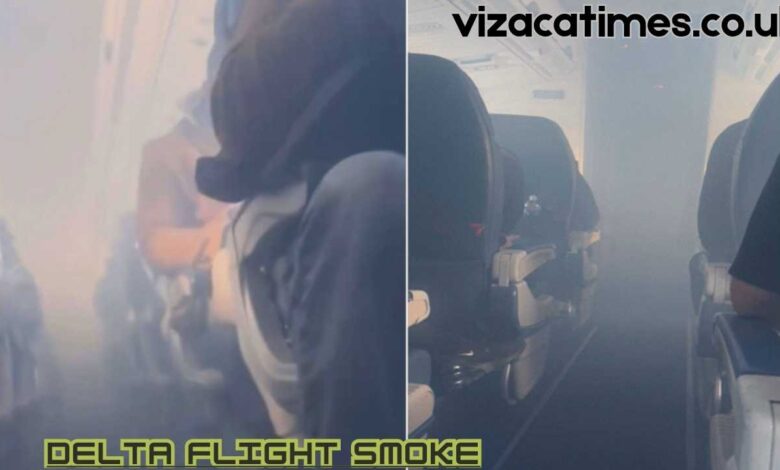
How Delta Flight Smoke Incidents Reflect Broader Aviation Safety Concerns
In the world of commercial aviation, safety remains the industry’s top priority. Despite the incredible reliability of modern aircraft, there are moments that attract public attention due to unexpected disruptions. Among these are incidents involving delta flight smoke. This phrase refers to any reported situation in which passengers, crew, or ground staff encounter smoke either in the cabin or the cockpit on a Delta Air Lines flight. Although rare, the presence of smoke on a commercial aircraft immediately triggers serious concern and emergency protocols. Delta flight smoke events highlight the complexity of air safety, the importance of quick response systems, and the ongoing need for passenger awareness and airline transparency.
What Happens When Delta Flight Smoke Is Detected Mid-Flight
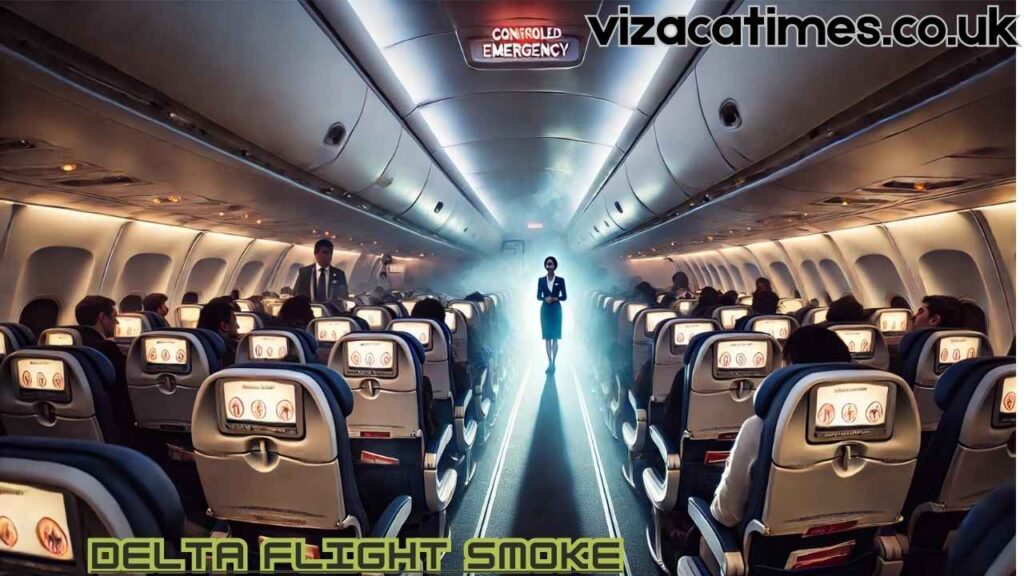
When delta flight smoke is identified during flight, airline crew members are trained to act within seconds. The detection of smoke—whether from a mechanical component, an electrical system, or even a false alarm—initiates a detailed series of checks. Delta flight smoke situations may result in oxygen masks being deployed, emergency landings being declared, or cabin crew preparing passengers for rapid descent. Communication with air traffic control is immediate, and flight crews follow procedures laid out by both federal aviation guidelines and Delta’s internal emergency response protocols. These incidents test the airline’s ability to respond with discipline, precision, and care for every passenger on board.
The Causes Behind Delta Flight Smoke and How They’re Investigated
There are many potential causes for delta flight smoke, ranging from mechanical issues to overheating devices in passenger luggage. Sometimes it results from faulty electrical wiring, short-circuited galley equipment, or malfunctioning air circulation systems. In other cases, the smoke may be traced back to lithium-ion batteries in electronics stored improperly in the cabin or cargo. Regardless of the cause, every delta flight smoke incident triggers a thorough investigation. Delta’s internal safety teams, in conjunction with federal aviation authorities, conduct a post-flight analysis that includes interviews, maintenance logs, and inspection of affected components. These steps help ensure that root causes are identified and corrected swiftly.
Passenger Experience During a Delta Flight Smoke Event
For passengers, experiencing delta flight smoke can be alarming. The presence of smoke—regardless of its severity—creates anxiety and urgency. Cabin crew are trained to remain calm, provide clear instructions, and assist travelers in maintaining order. Safety announcements may be delivered in both verbal and visual formats, and crew members may distribute masks or instruct passengers to brace for an emergency landing. Though these occurrences are statistically rare, they underscore why flight safety briefings and crew training are so critical. Each delta flight smoke report is evaluated not only for its mechanical resolution but also for how passengers were supported emotionally and physically.
Delta’s Protocols for Managing In-Flight Smoke Emergencies
Delta Air Lines has detailed protocols for addressing delta flight smoke events, starting from the cockpit and extending to cabin crew and ground operations. Pilots have access to in-cabin monitoring systems and follow pre-programmed checklists to isolate the source of smoke. In some cases, rerouting to the nearest available airport is necessary. Crew members on the ground are alerted in real time, ensuring emergency responders are prepared to meet the aircraft upon landing. Delta flight smoke emergencies are managed with clear roles, redundancy systems, and a culture of prioritizing safety over schedule. These practices are key to maintaining the airline’s reputation and minimizing passenger risk.
How Media and Social Platforms Shape Perceptions of Delta Flight Smoke
In today’s digital landscape, delta flight smoke incidents are often documented and shared by passengers on social media before official reports are released. Photos or videos showing smoke in the cabin or the deployment of emergency oxygen masks quickly circulate, creating public concern. While this transparency increases awareness, it also puts pressure on airlines to communicate promptly and accurately. Delta often responds to delta flight smoke events through official statements, press releases, or direct outreach to affected passengers. Their goal is to balance honesty, empathy, and reassurance while investigations are still underway. Public relations teams play a vital role in framing the narrative while protecting the integrity of the process.
The Role of Aircraft Technology in Preventing Delta Flight Smoke
Aircraft technology continues to evolve with systems specifically designed to detect and prevent conditions that could lead to delta flight smoke. Sensors monitor electrical systems, air pressure, and temperature changes in real time. Smoke detectors are installed not only in lavatories but also within key compartments of the aircraft. These systems help flight crews identify issues before they escalate. Regular maintenance, predictive diagnostics, and real-time data analytics reduce the chances of failures. Even when minor delta flight smoke events occur, the aircraft is often equipped to isolate and shut down compromised systems immediately. These technological layers form a safety net that modern aviation relies upon daily.
Regulatory Oversight and Safety Compliance Following Delta Flight Smoke
Every delta flight smoke report is forwarded to federal regulators, such as the Federal Aviation Administration (FAA) and, when applicable, the National Transportation Safety Board (NTSB). These agencies determine whether further investigation is needed and issue public findings if the incident is deemed significant. Compliance with regulatory safety standards is non-negotiable, and delta flight smoke events may prompt additional inspections, temporary grounding of specific aircraft types, or the implementation of new training protocols. The regulatory framework ensures that airlines maintain safety not only in response to issues but as a continuous, proactive commitment.
Training and Simulation: Preparing Delta Crew for Smoke-Related Emergencies
Delta invests in continuous training programs for its pilots and flight attendants to manage incidents like delta flight smoke. Simulators allow crews to rehearse scenarios involving cabin smoke, equipment failure, and emergency landings in highly realistic conditions. These simulations emphasize decision-making under pressure, effective communication with passengers, and coordination with airport personnel. The training is updated regularly based on real-world data, ensuring that lessons from past delta flight smoke cases translate into more prepared crews in the future. This level of preparedness is why airlines like Delta can handle unexpected in-flight disruptions with confidence and professionalism.
Reassuring the Public After a Delta Flight Smoke Incident
Following a delta flight smoke report, public reassurance becomes a priority. Passengers who were on the flight may be contacted individually, offered compensation, or provided support services. Public-facing communications include clear explanations about the incident’s severity, steps taken during the flight, and actions being implemented afterward. Transparency and empathy are crucial during these moments. When handled effectively, a delta flight smoke incident does not damage the airline’s reputation—instead, it can demonstrate the company’s ability to protect passengers and respond decisively to adversity.
Common Misconceptions About Delta Flight Smoke Events
One common misconception is that all delta flight smoke incidents are emergencies that place passengers at extreme risk. In reality, many such events are precautionary, triggered by minor technical issues or even harmless sources like overheated electronics. The term “smoke” may be used broadly, but not all cases involve fire or danger. Understanding this nuance is key to reducing fear. While safety is never compromised, it is important for the public to recognize that aviation systems are designed to respond conservatively and early—even to minor signs—ensuring passenger protection at every stage.
How Passenger Behavior Can Help During Delta Flight Smoke Events
Passenger cooperation plays a vital role in the safe resolution of any delta flight smoke event. Following crew instructions promptly, avoiding panic, and staying informed through official updates help reduce confusion. Personal electronics that overheat or malfunction are often at the center of minor smoke incidents, which is why passengers are asked not to store lithium batteries in checked luggage and to report suspicious heat or smell. Airlines provide briefings before every flight for a reason, and delta flight smoke events reinforce the importance of listening, remaining calm, and trusting the professionalism of the crew.
What Delta Learns and Applies After Each Delta Flight Smoke Case
Every delta flight smoke case is followed by a debriefing, allowing the airline to assess its procedures, crew performance, and equipment reliability. These internal reviews are crucial in identifying any areas for improvement. Whether the smoke came from faulty electronics, a mechanical issue, or a cabin-related component, the outcome of the review is used to prevent future occurrences. As a learning organization, Delta treats each incident as an opportunity to reinforce safety culture, refine training, and invest in technology. The cumulative effect of this approach makes each flight safer than the one before it.
The Ongoing Importance of Reporting Delta Flight Smoke
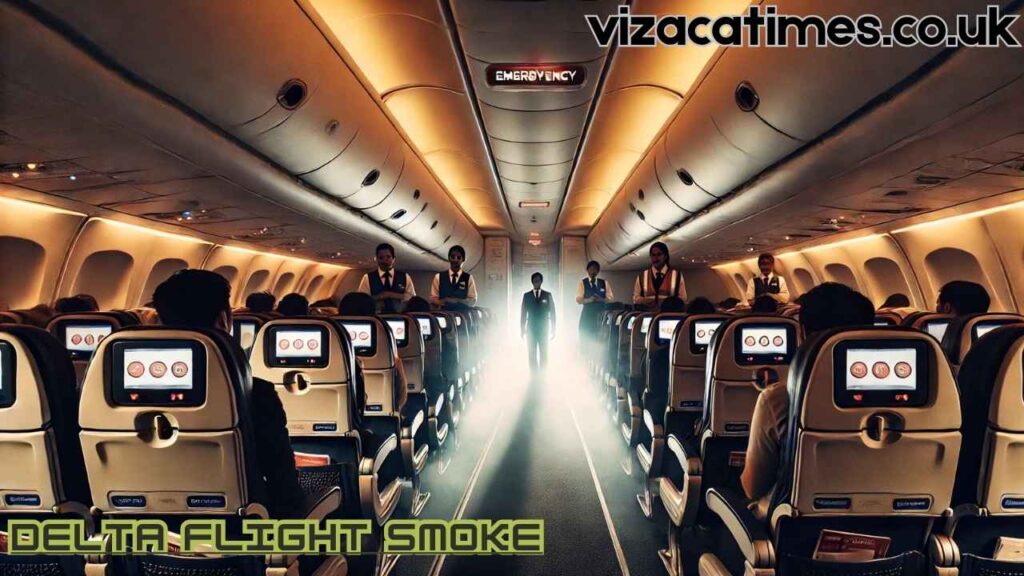
Transparency in reporting is essential to keeping aviation accountable. Delta flight smoke events are always documented and reviewed, even when the incident is minor. These reports contribute to global aviation safety databases and help manufacturers, regulators, and airlines understand trends. Whether the incident occurs on a short domestic flight or a long-haul international trip, consistency in reporting maintains trust. Passengers should take comfort in knowing that the system is built to detect, respond to, and learn from every single irregularity in the air.
The Future of In-Flight Safety and the Role of Delta Flight Smoke Monitoring
Looking ahead, the continued development of sensor technology, predictive maintenance, and real-time diagnostics will make delta flight smoke even more preventable. Aircraft will increasingly rely on automated systems to anticipate failures before they occur. Flight attendants may soon receive alerts directly on handheld devices about smoke levels or cabin air anomalies, allowing them to act even faster. Passengers can also expect more real-time information through onboard systems, keeping them informed and reassured. The goal is a future where delta flight smoke incidents are not only rarer but also less disruptive and more easily resolved.
Also Read : Dallas to Cancun Flights, ??, and Beyond the Standard: Everything You Need to Know for a Perfect Journey