Instructions PDF HSSGameStick The Complete Setup Optimization and Troubleshooting Guide
If you own an HSSGameStick or are thinking of buying one, having a clear and practical instructions manual makes all the difference. This guide is written to serve as a thorough, human-friendly walkthrough based on common user needs, with step-by-step tips to get the most from your device. Whether you’re unboxing for the first time, tweaking video and controller settings, expanding storage, or tracking down a pesky problem, this article covers everything you need. Throughout the piece you’ll find focused sections that follow the flow of a real user’s setup and tuning process — and you’ll see the keyword instructions pdf hssgamestick woven naturally where you’d expect a manual to be referenced.
Why the instructions PDF HSSGameStick matters
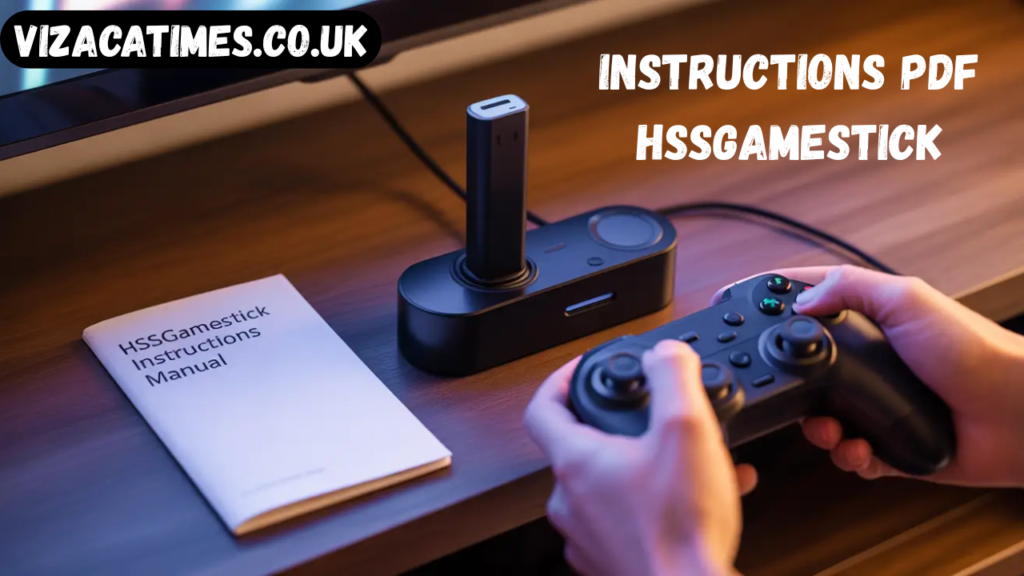
A small plug-and-play stick like the HSSGameStick hides a lot of functionality in a compact package. The device connects to a TV via HDMI, often includes wireless controllers, and runs emulators and a simple user interface. That combination means there are many small but important settings to get right: video resolution and aspect ratio, controller mapping and sensitivity, emulator core choice, save-state handling, and system updates. The official instructions PDF HSSGameStick (or whatever manual you have) is the single most useful document for getting that baseline right — but a plain manual doesn’t always explain why a setting matters, or what to try when something goes wrong. This article fills in those gaps with practical, easy-to-follow advice that mirrors what you would do when following the instructions PDF HSSGameStick.
Unboxing and first steps what to check right away
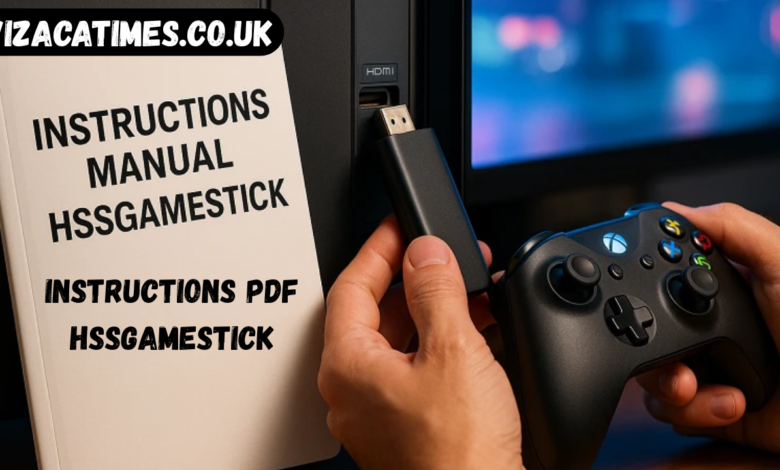
Before you power anything up, take a moment to confirm what’s in the box. Most HSSGameStick packages include the stick itself, a power adapter, one or two wireless controllers, and sometimes an installation SD card or USB drive. If your package includes a printed quick-start sheet or an instructions PDF HSSGameStick on removable storage, set that aside — you’ll refer to it for exact menu names and firmware details.
When you’re ready to connect:
- Plug the HSSGameStick into an available HDMI port on your TV.
- Use the supplied power adapter. Some models will not draw enough power from the TV’s USB port and will be unstable without the official power source.
- Sync or pair your controllers according to the manual’s pairing method.
- Power on the TV, select the correct HDMI input, and look for the HSSGameStick boot screen.
This initial run confirms basic hardware health (a smooth boot without error messages) and allows you to follow the instructions PDF HSSGameStick to register the device and run any first-time setup wizard.
Display and video settings match the stick to your TV
One of the first items on the instructions PDF HSSGameStick is display configuration. Getting video settings right reduces input lag and avoids image stretching.
Resolution and refresh rate
Set the resolution to match your TV’s native resolution. Common choices are 720p and 1080p; some TVs will accept 4K passthrough but the stick’s internal performance may not benefit. If you experience stuttering, lower the resolution one step and test again.
Aspect ratio and pixel scaling
Many classic games were designed for a 4:3 display. If you want pixel-accurate retro presentation, set the device or individual emulator to 4:3 and let the TV pillar-box the image. If you prefer a full-screen experience, choose 16:9 but be aware that sprites may stretch slightly.
Filters and shaders
Some emulator builds allow CRT shaders or scanline filters for a nostalgic look. While visually pleasing, filters can add processing overhead and introduce lag. Use them selectively and test performance after enabling.
The instructions PDF HSSGameStick typically lists the exact menu path to these settings; take note of default values so you can revert if needed.
Controller and input configuration comfortable controls every time

Controller setup is one of the most personal parts of the system. The manual will describe basic pairing and default mappings, but this section helps you tailor the control experience.
Pairing and battery care
Follow the pairing steps exactly — typically, this involves turning on the controller and pressing a sync button on the device. Keep spare batteries or charge cables handy; inconsistent power levels will create button dropouts and disconnects.
Button mapping and profiles
Most HSSGameStick software allows button remapping per emulator or globally. Set a comfortable layout for platform-specific needs (for example, map shoulder buttons for N64 or PlayStation titles). Creating per-game profiles saves time and preserves the original feel.
Sensitivity dead zones and turbo
Analog sensitivity matters for analog controls — lower dead zones if your sticks feel sluggish, raise them if you get drift. Turbo or rapid-fire modes help with older shooters; use only if the game benefits, because it can complicate competitive play.
These changes are typically recorded in the instructions PDF HSSGameStick; the key is to test settings in short game sessions and adjust incrementally.
Emulators cores and game settings: compatibility and smooth play
The magic of HSSGameStick comes from emulation. But emulators are not one-size-fits-all. The manual often recommends which emulator core works best for a given console; this section expands on how to pick and configure.
Choosing the right emulator core
Different cores prioritize accuracy, performance, or compatibility. If a game runs slowly on one core, switch to another and test. The instructions PDF HSSGameStick will sometimes list recommended cores, but real-world testing on your stick and display is decisive.
Save states and virtual memory cards
Save-states are a lifesaver for old titles without modern save systems. Use them liberally, but remember they are not always interchangeable between cores. For consoles that relied on memory cards (like PlayStation), enable memory-card emulation for better compatibility.
Per-game tweaks
Some games need specific tweaks — frame skipping, audio buffering, or shader toggles. Keep a short log of per-game changes so you can replicate a working setup if you need to reset the device.
Audio settings clear output and sync
Audio troubles are common but fixable. The instructions PDF HSSGameStick will point you to basic sound output selection, but troubleshooting often requires a few simple checks.
Output selection and latency
Choose HDMI if you want to route sound through the TV. If you use an external receiver or soundbar, verify its input settings and audio format compatibility. If audio is delayed from the video, try switching to a lower latency audio format or disable any TV audio enhancement features that introduce buffering.
Volume normalization and emulation audio
Older games may be louder or quieter than modern titles. Consider enabling volume normalization if your stick offers it. Also, some emulators include audio filters — these can both improve or degrade sound depending on the title.
Storage updates and system maintenance
Keeping the device’s storage and firmware healthy is a practical part of owning an HSSGameStick.
Expanding storage
If your model allows SD or USB storage, organise games into folders and label them clearly. Back up save files before making large changes. The instructions PDF HSSGameStick normally explains where to place game files and how to mount external storage.
Firmware updates
Occasional firmware updates may improve compatibility or fix bugs. Check the system settings for an update option and follow the manual’s instructions for applying updates via SD, USB, or network. Always backup important saves before updating.
Clean shut-down and power practice
Avoid unplugging while the device is writing to storage. Use the system shutdown option and wait for confirmation. Sudden power loss can corrupt the file system and cost you game saves.
Troubleshooting common problems and fixes
Even with careful setup, you may run into issues. This section translates the terse steps in the instructions PDF HSSGameStick into practical troubleshooting flows.
If the device won’t boot
Check power supply and connections first. Try another HDMI port and test the TV’s input with a different device to rule out the TV or HDMI cable. If the stick shows lights but no video, a reset or firmware reflash (as described in the manual) may be necessary.
If the image is stretched or fuzzy
Confirm the TV resolution matches the stick’s output. Reset the video settings to defaults if needed and test with a different HDMI cable. For retro titles, consider switching aspect ratio to preserve original graphics.
If controllers disconnect or buttons are unresponsive
Replace or charge batteries, re-pair the controller, and test with a second controller if possible. Check for interference from other wireless devices. If a specific button fails, inspect for hardware issues.
If games stutter or lag
Lower the output resolution, disable heavy shaders, or switch to a more performance-focused emulator core. Free up background resources by disabling any nonessential apps that may be running on the device.
If save files disappear
Verify storage health — an unreliable SD card or USB drive is often the culprit. Always back up saves to a separate drive before performing updates or major setting changes.
These troubleshooting flows reflect the stepwise guidance you’ll find in an instructions PDF HSSGameStick but put each fix into a real-world context.
Advanced tips and power-user tweaks
Once you’ve mastered the basics, a few advanced steps will let you tailor the HSSGameStick to your favorite genres and devices.
Create game profiles
Set up per-game or per-console profiles that automatically apply the best controller mapping, filter, and emulator core. This saves time and preserves consistency.
Automate backups
If you frequently tweak settings or test experimental builds, automate periodic backups of save folders and configuration files to an external drive. That way, a misstep won’t cost you hours of progress.
Use a dedicated low-latency display mode
Many modern TVs include a “Game Mode” that reduces image processing. Use this mode for responsive play and toggle it off when watching video to enjoy full TV processing.
Keep a maintenance log
Maintain a simple text file where you note firmware versions, per-game tweaks, and storage changes. The manual lists what options exist; your log records what worked for you.
How to create your own quick instructions PDF HSSGameStick cheat sheet
If you plan to write for a blog or create a user cheat sheet, condense the essentials into a one-page PDF. Include sections such as:
- Quick start: HDMI, power, pairing steps.
- Video best settings: recommended resolution and aspect ratio.
- Controller tips: mapping, dead-zone suggestions.
- Troubleshooting quick fixes: boot, lag, controller dropouts.
- Backup and update checklist.
A one-page instructions PDF HSSGameStick makes it easy for friends or family to get started without wading through a longer manual.
Practical use cases who benefits most from this setup guide
This guide and the original instructions PDF HSSGameStick are helpful to several user types:
- Casual players who want a plug-and-play arcade experience with minimal fuss.
- Retro enthusiasts who care about authentic presentation and pixel accuracy.
- Families who need simple controls and robust save options for younger players.
- Power users who like to tweak emulator cores and maintain multiple game profiles.
Whatever your profile, the combination of a careful read of the manual and a handful of the practical tips in this article will improve your experience.
Final checklist before you start playing
Before launching into marathon sessions, run through this checklist:
- Confirm the stick uses the recommended power supply.
- Match the stick’s video resolution to your TV’s native settings.
- Pair controllers and test button mapping.
- Create a backup of important save files.
- Apply any available firmware updates only after backing up saves.
- Disable unnecessary filters if performance suffers.
If you follow this list — and refer to the instructions PDF HSSGameStick for device-specific menu navigation — you’ll have a smooth start and a stable, enjoyable gaming setup.
Conclusion
The HSSGameStick delivers a compact, flexible gaming experience when it’s set up properly. The official instructions PDF HSSGameStick gives you the menu names and exact procedures; this article translates those steps into practical, real-world guidance. From first boot and display configuration to controller mapping, emulator choices, storage management, and troubleshooting, you now have a complete roadmap to follow. Test changes incrementally, keep a backup of your saves, and enjoy the freedom of a retro-ready stick tailored to your TV and playing style.
Frequently Asked Questions (FAQs)
1. What is the easiest way to find the official instructions PDF HSSGameStick?
Look inside the product box for a printed sheet or a storage card that may include the manual. If none is present, check the device’s system settings for a help or “About” section that lists the manual location. If you keep a digital copy, store it alongside your backups.
2. Can I use the HSSGameStick with any TV, and what video settings are best?
Most modern TVs work with the stick. Set the stick’s resolution to your TV’s native resolution (typically 1080p) and use a 4:3 aspect for authentic retro presentation when playing classic titles. If you notice lag, try lowering the resolution.
3. How do I prevent save files from being lost on the HSSGameStick?
Always shut down properly using the system menu, back up saves to an external SD or USB drive regularly, and avoid removing storage while the system is running. Storing backups off the device is the safest practice.
4. What should I do if my controller keeps disconnecting?
First, replace or recharge the batteries and re-pair the controller. Check for wireless interference from other devices. If problems persist, test with a different controller to determine if the issue is the controller or the stick’s wireless module.
5. Are visual filters and CRT shaders worth using on HSSGameStick?
They can enhance nostalgia but may introduce performance issues. Use shaders selectively and test gameplay after enabling them. If you encounter stuttering, disable shaders or lower the output resolution for smoother play.
Read More: Who Is Loralee Czuchna? The Untold Story Behind Don Knotts’ Former Wife