Leather Riding Crop: Exploring the Symbolism, Utility, and Growing Online Curiosity Around a Classic Equestrian Accessory
Why the Term “Leather Riding Crop” Draws So Much Online Attention
Among the many items connected to equestrian culture, training tools and lifestyle accessories, one object often stands out because of its strong visual identity and deep historical connection: the leather riding crop. Over the years, this term has begun appearing not just in equestrian discussions, but across various corners of the internet where fashion, lifestyle, symbolism and cultural curiosity intersect. Users who encounter the term for the first time often pause to wonder what makes it so widely referenced and why it continues to appear in search suggestions, online images, films, literature and social conversations.

Part of the fascination comes from the item itself. A leather riding crop carries an instantly recognizable shape—sleek, polished, firm yet refined—making it an accessory that naturally attracts attention. It is both functional and symbolic, practical yet expressive. Even without seeing one in person, the term evokes imagery related to equestrian artistry, discipline, tradition and elegance. This richness in meaning is one of the main reasons people search for it, hoping to better understand what makes the leather riding crop such a memorable item.
The Historical Roots Behind the Leather Riding Crop
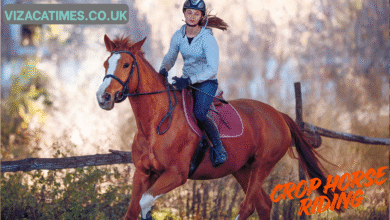
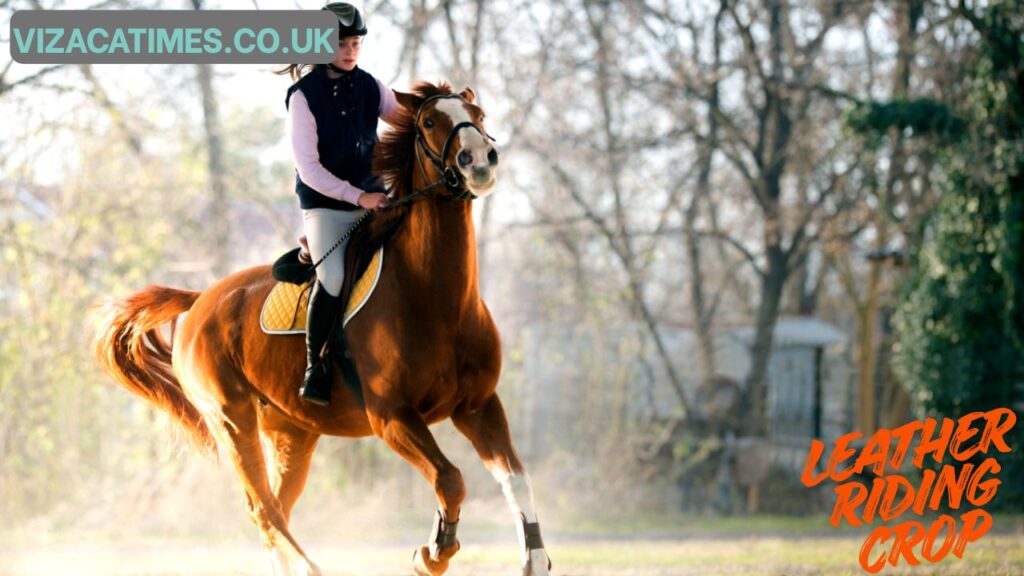
The origins of the leather riding crop stretch back centuries, rooted in a time when horseback riding was an essential part of transportation, farming, travel and sport. Riders required tools that allowed them to guide, communicate with and support their horses without causing harm. The crop evolved as a lightweight extension of the rider’s hand—designed not to injure, but to reinforce cues, provide direction and maintain synchronization between horse and human.
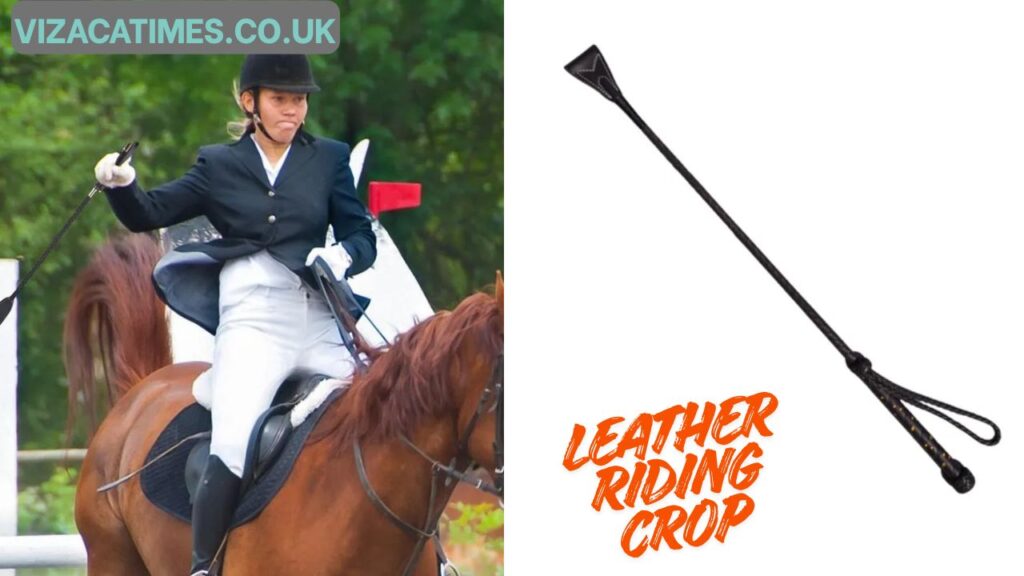
Over time, the crop became associated with equestrian elegance. Riders skilled in jumping, dressage and competitive sports often carried a leather riding crop as a symbol of training, discipline and partnership. Its presence represented precision, control and the artistry of horsemanship. Even today, this legacy influences how people interpret the term, giving it a timeless quality that connects modern users with historical tradition.
Why the Material Matters: The Significance of Leather
Leather has always held a special place in equestrian culture. It symbolizes durability, craftsmanship, strength and refinement. When a riding crop is made of leather, it instantly carries a sense of premium quality and professional design. People who search for the term “leather riding crop” often do so because they associate leather with authenticity. It elevates the crop from a simple tool to an item crafted with skill and intention.
The aesthetic appeal of leather also plays a major role. Its natural texture, flexibility and sheen contribute to the crop’s iconic appearance. A leather riding crop is more than a functional piece—it is an object shaped by tradition and artistry, which explains why it frequently appears in fashion photography, collector interest and lifestyle imagery.
The Modern Interpretation of the Leather Riding Crop
In today’s world, the leather riding crop has expanded beyond its classical equestrian definition. It continues to be used in traditional horseback riding, but its presence has also grown in fashion, costume design, photography and symbolic expression. The crop’s streamlined look and strong visual impact make it a favorite prop in creative shoots, cinematic scenes and editorial concepts.
Because of this evolving presence, many people who search for the term “leather riding crop” are not necessarily equestrians. They may be curious about its design, its symbolism in pop culture or its role within fashion themes. Others might be interested in how it is used as a representation of power, elegance or control in artistic storytelling. This blend of function and symbolism expands the crop’s relevance across various digital spaces.
The Role of Cinema, Literature and Media in Popularizing the Term
Film and literature have played significant roles in shaping the public perception of leather riding crops. Their appearance in period dramas, adventure movies, fashion editorials and dramatic scenes has made the crop instantly recognizable, even to individuals with no direct experience in horseback riding.
Whenever a familiar object is repeatedly shown in media, viewers begin associating it with themes portrayed onscreen—authority, precision, tradition, expertise or stylistic flair. The leather riding crop is one such object. It carries a cinematic presence that deepens curiosity each time it appears in a scene or storyline. This explains why people frequently search for the term, even when they are simply trying to understand its symbolic use in a particular film or photograph.
Online Discussions and the Spread of Curiosity
The leather riding crop has become a topic of discussion not only on equestrian forums but also across fashion communities, creative groups, lifestyle bloggers and collectors. Even small mentions—such as someone posting about equestrian gear, costume props or leathercraft—are enough to spark curiosity among viewers. As people encounter the term repeatedly, they begin searching to learn more. This creates a natural increase in the keyword’s visibility.
Search engines amplify this effect. Once the term gains traction, autocomplete suggestions, related search prompts and trending tags help it reach even more users. Before long, the phrase “leather riding crop” becomes an online concept that people recognize, even if they have never seen one in person.
The Unique Aesthetic Appeal of the Leather Riding Crop
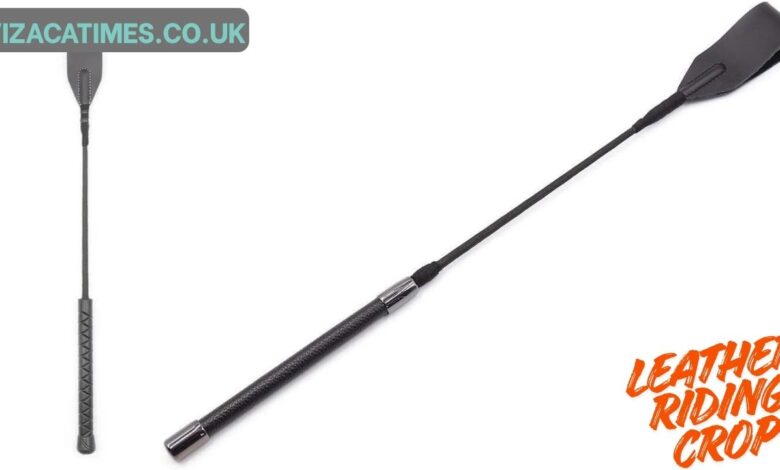
One reason the leather riding crop stands out is its design. It is an elegant combination of form and function. The slender shaft, the sleek handle and the compact leather popper at the end give it a minimalistic yet refined look. Its symmetry and craftsmanship make it aesthetically appealing regardless of whether someone uses it in practice.
For many people, the leather riding crop embodies a sense of vintage charm. It reminds them of countryside landscapes, horse barns, training arenas and traditional lifestyles. Others interpret its appearance in a more modern fashion context, seeing it as a stylish accessory used in avant-garde design themes. This versatility is part of what keeps the term relevant online.
Why People Search for Leather Riding Crop Even Without Owning One
Many users who search for leather riding crops do so out of curiosity rather than need. They may want to understand how it is used, what it symbolizes or why it appears so often in creative imagery. The crop carries multiple layers of meaning depending on the context—sport, fashion, tradition, storytelling, craftsmanship—which makes it a fascinating object to explore.
Some users search because they are interested in leatherwork, wanting to know how such tools are made. Others explore it as part of costume design, stage performance or photography themes. And some simply find the term intriguing and want to understand why it has such cultural staying power.
The Symbolic Interpretations That Add to Its Popularity
Beyond functionality, the leather riding crop often symbolizes control, strength, command, discipline and precision. These themes give the crop an identity that transcends its practical role. Whether portrayed in artistic contexts or referenced in metaphorical language, the crop carries emotional and psychological undertones that add depth to the way people perceive it.
Symbolic items tend to attract more online interest because they invite interpretation. The leather riding crop is an object layered with meaning, making it a popular subject of searches for people trying to understand its cultural relevance.
Why the Leather Riding Crop Continues to Be Relevant
After decades of evolution in equestrian equipment, fashion props and creative storytelling, the leather riding crop remains relevant because it bridges tradition with modern expression. It represents heritage and functionality while also offering visual appeal and symbolic depth. As long as equestrian culture thrives and artistic storytelling evolves, the leather riding crop will continue to hold a unique place in public imagination.
This explains why the keyword maintains steady search popularity—it is tied to history, aesthetics, symbolism and lifestyle trends all at once.
Conclusion
The rising interest in the leather riding crop demonstrates how an object rooted in traditional horsemanship can evolve into a symbol of craftsmanship, authority, style and culture. Its presence in equestrian settings, fashion imagery, media portrayals and artistic storytelling all contribute to ongoing public curiosity. Whether people search the term for practical reasons or out of fascination, the leather riding crop remains a distinctive and meaningful object that holds strong relevance across multiple worlds.
Also Read : Crop Horse Riding: The Art, Technique, and Ethics Behind Equestrian Mastery