Pappedeckel Understanding the Meaning Uses Cultural Background and Modern Relevance of Pappedeckel
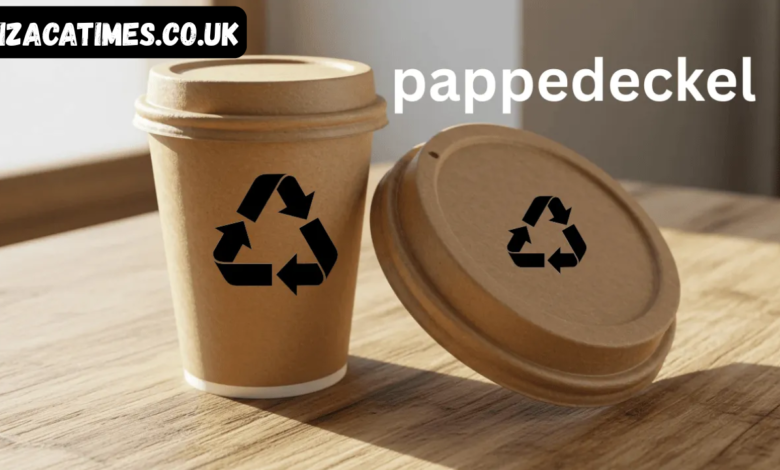
The term pappedhttps may appear simple at first glance, but its background, cultural relevance, and usage in modern language make it much more interesting than many people realize. Originating from the German language, “pappedeckel” carries meanings that range from literal to slang. While in its basic form it refers to a cardboard lid or cardboard cover, the word has also evolved culturally, especially in informal speech. Understanding this term provides insight into linguistic creativity, cultural humor, and the way everyday objects often influence communication. This article explores the meaning of pappedeckel, its traditional uses, its extended slang meanings, and the ways it continues to appear in conversation, media, and modern expression.
The Literal Meaning of Pappedeckel
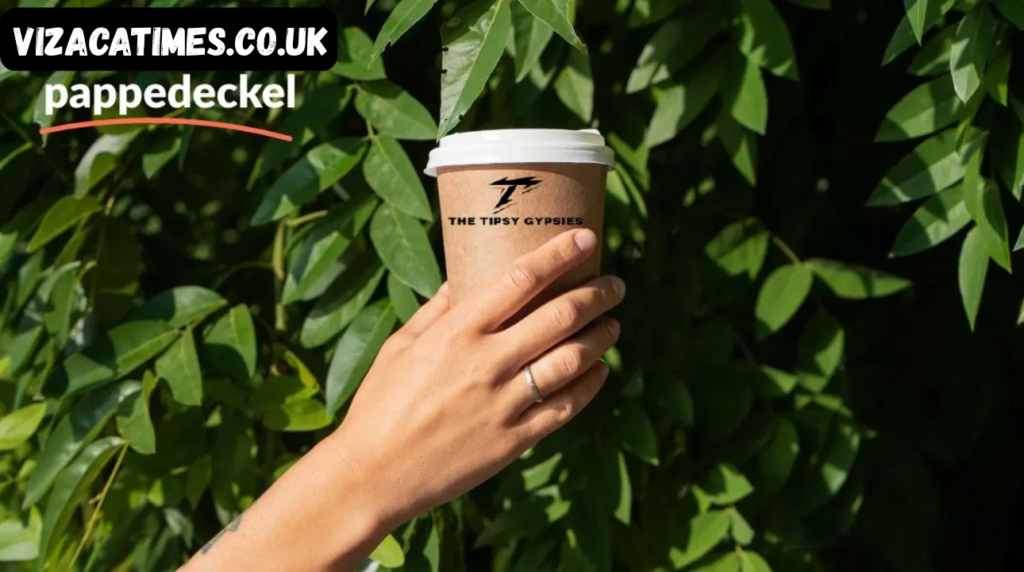
At its core, pappedeckel is a German word that directly translates to “cardboard lid.” It is a compound word formed from “Pappe,” meaning cardboard, and “Deckel,” meaning lid or cover. In everyday practical situations, a pappedeckel may refer to the cover of a cardboard box, a paper lid for a cup, or even a protective cover used in packaging. The term is simple, functional, and widely understood among German speakers.
In packaging industries, pappedeckel plays an important role as a lightweight, affordable, and environmentally friendly covering option. Whether used for food containers, storage boxes, product shipments, or craft projects, the pappedeckel continues to be a reliable and versatile material. The literal meaning is still the most common usage, especially in manufacturing, retail packaging, and household purposes.
Pappedeckel in Everyday Life
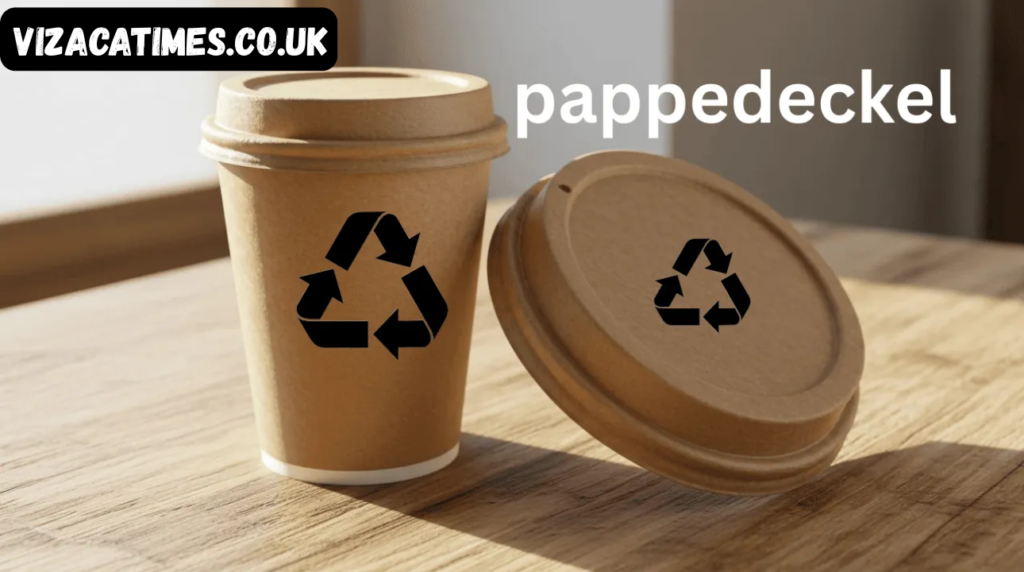
One reason the word pappedeckel remains so common is because of the widespread reliance on cardboard materials. From disposable coffee cup lids to pastry boxes, protective packaging, and recyclable household containers, pappedeckel items are everywhere. These cardboard lids are valued for their simplicity, low cost, and ability to biodegrade more easily than plastic alternatives.
In sustainable living practices, the pappedeckel has gained renewed recognition. People seeking eco-friendly packaging alternatives often emphasize the importance of reducing single-use plastics. As a result, cardboard materials, including the humble pappedeckel, are becoming key elements in environmentally responsible packaging solutions. This resurgence has strengthened the relevance of the term in modern discussions related to waste reduction and green alternatives.
The Cultural and Slang Meaning of Pappedeckel
Beyond its literal meaning, pappedeckel has also developed a humorous cultural meaning in German slang. In informal contexts, the term is sometimes used as a light insult or a playful expression implying that someone is foolish, clueless, or acting without thinking. Similar to how English speakers might say “blockhead,” “dummy,” or “knucklehead,” German speakers might jokingly call someone a pappedeckel to tease them.
This slang usage does not carry deep offensiveness; instead, it often has a comedic or playful tone. It reflects the German linguistic tradition of using everyday objects as symbolic descriptors. Calling someone a pappedeckel suggests that they are as simple or flat as a cardboard lid—harmless, lightweight, and not particularly sharp. The humor stems from the imagination involved in comparing a person to such a mundane object. Though informal, this style of expression adds richness to conversational German.
Pappedeckel in Literature Media and Expression
The word pappedeckel appears not only in spoken language but also in books, cartoons, humorous writing, and creative expression. Its quirky sound and imagery make it memorable and appealing to writers and comedians. Sometimes it is used to represent simplicity, fragility, or low value. Other times, the word is intentionally exaggerated for comedic effect, especially because of its rhythmic sound and recognizable meaning.
In children’s literature, pappedeckel may be used when describing craft materials or imaginative constructions made from cardboard. In satire or comedy, the term often appears when poking fun at foolish behavior. The dual nature of the word—being both practical and humorous—allows it to fit into various forms of media and communication.
Modern Usage of Pappedeckel in Conversation
In modern German conversation, pappedeckel still retains both its functional and slang meanings. For instance, during everyday tasks, one might say, “Bring den pappedeckel,” simply meaning “Bring the cardboard lid.” Meanwhile, in a humorous exchange, someone might jokingly call a friend a pappedeckel if they do something silly. The tone determines the meaning, and context is always clear.
Social media has also played a part in reviving humorous terms like pappedeckel. The word often appears in memes, captions, and comedic posts. Its playful and unusual sound makes it an appealing choice for online humor. As digital communication blends with traditional language, terms like pappedeckel evolve while keeping their familiar identity.
Symbolic Importance of Pappedeckel
While the term may seem simple, the concept behind pappedeckel symbolizes several modern values—sustainability, creativity, resourcefulness, and humor. Cardboard lids represent everyday practicality, showing how small and seemingly insignificant items can play essential roles in daily life. Their recyclable nature emphasizes environmental awareness.
Meanwhile, the slang form of pappedeckel shows cultural creativity. It highlights how people use language not only to communicate but also to express personality, humor, and emotion. A single word can bridge practicality and humor, giving it a unique place in linguistic culture.
Environmental Perspective on Pappedeckel
As sustainability becomes a global priority, the humble pappedeckel has gained importance as an eco-conscious choice. Cardboard-based lids are biodegradable, recyclable, and often made from recycled materials themselves. Their lightweight design reduces shipping costs and environmental impact.
In industries such as food delivery, coffee shops, packaging, and eco-friendly retail, pappedeckel options are increasingly preferred over plastic alternatives. Consumers also appreciate products made from cardboard because they align with a growing desire to reduce waste. Thus, even though the term may appear simple, its relevance in modern environmental strategies is significant.
Creative Uses of Pappedeckel
Beyond packaging, craft enthusiasts and DIY hobbyists often use pappedeckel materials for artistic and practical projects. Cardboard lids can be repurposed into decorative items, storage solutions, children’s craft tools, school projects, and more. Their versatility and easy availability make them ideal for creative projects.
Because a pappedeckel is easy to cut, shape, and paint, it becomes a useful tool for anyone working on craft designs. Teachers, parents, and artists appreciate the flexible nature of cardboard, turning pappedeckel pieces into inspiring materials for learning and creativity.
FAQs
What does pappedeckel mean?
Pappedeckel means a cardboard lid or cardboard cover, commonly used for packaging and containers.
Is pappedeckel a slang term?
Yes, in informal German it can be used humorously to playfully call someone silly or foolish.
Where is pappedeckel used most?
It is used in packaging, household items, environmental alternatives, and also in conversational slang.
Is pappedeckel environmentally friendly?
Yes, because it is made from cardboard, it is recyclable and more eco-friendly than plastic lids.
Why is pappedeckel used in humor?
Its funny sound and comparison to a simple cardboard lid make it a light, playful expression.
Conclusion
The word pappedeckel may seem small and ordinary, but its linguistic depth, cultural charm, and practical importance demonstrate that even simple terms can carry meaningful significance. Representing both a useful everyday object and a humorous slang expression, pappedeckel bridges functionality with creativity. Whether used for packaging, sustainability, conversation, or humor, the term continues to be relevant in modern life. Its versatility and memorable character ensure that pappedeckel remains an interesting and valuable word within German language and culture.
Read More: Understanding jonathonspire A Complete Guide to the Platform Purpose Features and Influence