VT1000 in Subzero LNG Environment: Functionality, Durability, and Engineering Insights
Introduction to VT1000 in Subzero LNG Environment
The performance of industrial equipment in harsh environments is a crucial consideration for engineers, technicians, and companies involved in energy production, especially when dealing with liquefied natural gas (LNG). One such robust solution is the VT1000, a component or device often employed in monitoring, control, or data acquisition applications. Understanding how the VT1000 in subzero LNG environment operates, survives, and contributes to efficient processes is essential to maintaining safety, efficiency, and technological advancement in LNG operations. The freezing temperatures and highly corrosive atmosphere in LNG zones demand devices that not only withstand extreme cold but also maintain consistent accuracy and integrity over long periods.
What is the VT1000?
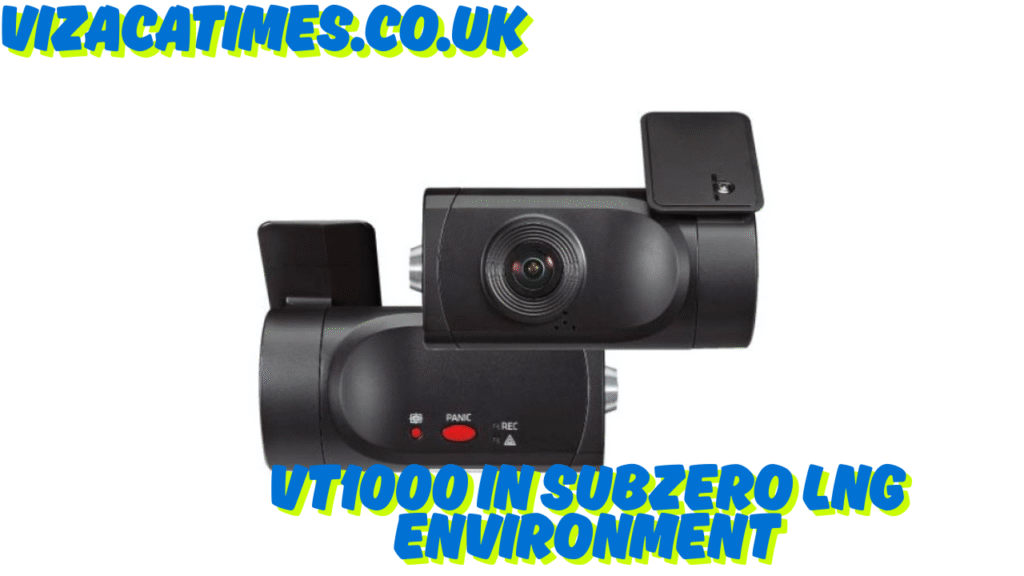
The VT1000 is typically known as a high-performance industrial-grade monitoring or control device, used in settings that demand precise performance metrics under demanding environmental conditions. It can be configured as a telemetry device, a valve controller, or a data logger, depending on the application. Its compact design, strong housing, and ability to function without manual intervention for extended periods make it suitable for deployment in hazardous zones, especially subzero LNG environments where few devices can operate without failure.
Understanding the LNG Environment
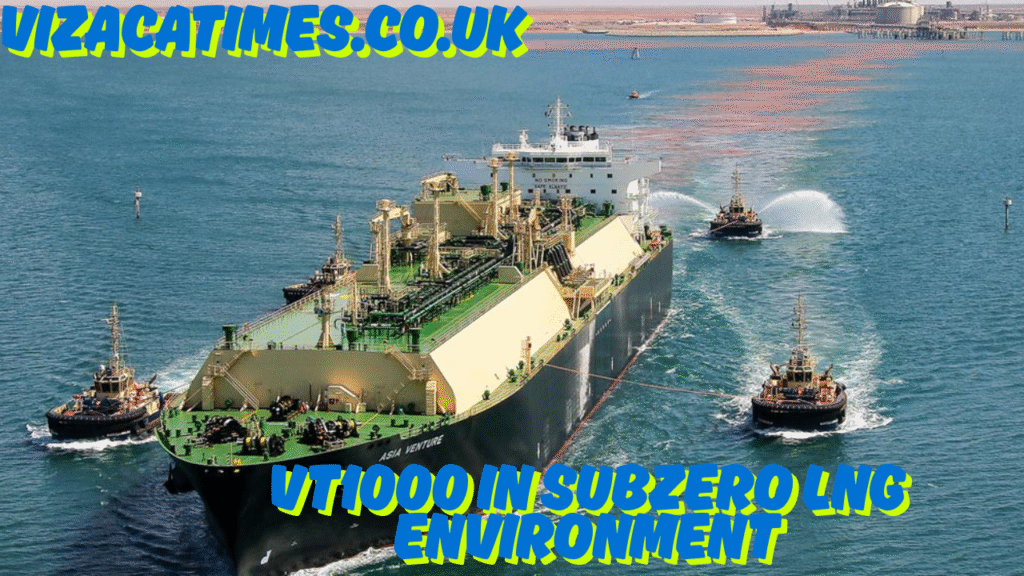
LNG (Liquefied Natural Gas) is natural gas that has been cooled to approximately -162°C (-260°F) for ease of storage and transport. This cryogenic environment presents several challenges:
- Extremely low temperatures that can cause materials to become brittle.
- Thermal contraction of materials, which could compromise seals or joints.
- Frost formation or condensation that may affect electronics.
- Safety-critical requirements for monitoring pressure, temperature, and flow rate without fail.
When we consider the VT1000 in subzero LNG environment, its ability to function in these harsh conditions without freezing, short-circuiting, or failing mechanically becomes a remarkable feat of engineering.
Engineering Adaptations of VT1000 in Subzero LNG Environment
To survive and operate effectively in subzero LNG environments, the VT1000 must be adapted or engineered with specific design elements, such as:
- Cryogenic-graded materials: The housing and internal components are built using stainless steel, high-impact polymers, or aluminum alloys that retain mechanical properties in extreme cold.
- Hermetically sealed enclosures: These prevent the entry of moisture and gas that could condense or freeze inside the unit.
- Low-temperature certified electronics: Every integrated circuit, capacitor, and sensor within the VT1000 is rated for sub-zero or cryogenic temperatures.
- Redundant systems and failsafes: In case of partial failure due to thermal shock or material contraction, the device may employ redundant components to maintain critical operations.
These engineering considerations ensure that the VT1000 in subzero LNG environment continues to transmit accurate data, control valves, or perform safety checks without being compromised by environmental stress.
Application Scenarios in LNG Facilities
In the world of LNG, the VT1000 in subzero LNG environment can be found in a wide variety of roles:
- Pipeline Monitoring: VT1000 can record pressure differentials and temperature levels at regular intervals along LNG pipelines.
- Storage Tank Safety: Ensuring that cryogenic tanks maintain optimal internal pressures and temperatures.
- Valve Automation and Control: The VT1000 is often used in controlling actuators that regulate the flow of LNG from one station to another.
- Emergency Shutdown Systems (ESD): As part of a fail-safe system, the VT1000 can trigger or signal shutdown procedures if any anomaly is detected.
In each of these scenarios, the performance of the VT1000 must be instantaneous, reliable, and fail-safe—a necessity when working with highly volatile cryogenic fuels.
Why Subzero Adaptability Matters
Many devices fail or lose accuracy in cold climates due to a range of physical limitations—battery chemistry degradation, sensor lag, or material brittleness. But for the VT1000 in subzero LNG environment, success hinges on:
- Survival in continuous -160°C exposure
- Endurance during rapid thermal cycling (e.g., during maintenance shut-ins or emergency warmups)
- Accurate signal processing without drift over time
- Low power consumption, especially if battery-powered or in remote locations
This level of ruggedization allows LNG facilities in the Arctic Circle, Siberia, or Northern Canada to operate year-round with confidence that the VT1000 will not fail under pressure or frost.
Real-World Testing and Qualification
Any claim regarding the success of VT1000 in subzero LNG environment must be backed by real-world data and rigorous testing, including:
- Thermal chamber testing for sustained operation at cryogenic temperatures.
- Ingress Protection (IP) rating validation, typically IP67 or higher.
- ATEX or IECEx certifications, ensuring it’s explosion-proof in flammable gas environments.
- Vibration and shock testing to withstand LNG loading/offloading operations.
Only after passing these criteria does the VT1000 gain the trust of engineers working in multibillion-dollar LNG plants.
Maintenance and Lifespan Considerations
Maintaining equipment in LNG plants is a high-cost operation due to safety and access constraints. Therefore, maintenance cycles for VT1000 in subzero LNG environment are typically spaced far apart. To meet this demand, the device is often:
- Designed with solid-state components to minimize wear and tear.
- Equipped with self-diagnostics that alert control centers of early failure signs.
- Outfitted with corrosion-resistant surfaces and coatings to survive the LNG vapors.
All these features combined can give the VT1000 a lifespan of 5–10 years in uninterrupted service, depending on environmental exposure and use case.
Environmental and Safety Impact
The ability to operate a device like VT1000 in subzero LNG environment also reduces the need for human intervention in hazardous areas, significantly improving:
- Workplace safety
- Environmental monitoring
- Operational efficiency
Additionally, early data reporting from such a device helps prevent leaks, pressure buildup, or material failures, all of which can lead to catastrophic accidents or environmental damage.
The Future of VT1000 in Cryogenic Applications
The future for VT1000 in subzero LNG environment looks promising, especially with the rise of automation and digitalization in the energy sector. With advancements in AI, sensor fusion, and edge computing, future iterations of the VT1000 might include:
- Machine learning-based anomaly detection
- Real-time wireless communication using low-Earth orbit satellites
- Battery systems designed for -200°C
- Miniaturized designs for drone or robotic deployment in LNG storage units
These developments will further reduce human risk, cut costs, and enhance LNG facility responsiveness and reliability.
FAQs About VT1000 in Subzero LNG Environment
Q1: Can the VT1000 function without external power in an LNG plant?
A: Yes, many models are equipped with long-life batteries or energy-harvesting systems that allow for years of autonomous operation.
Q2: Is the VT1000 resistant to LNG splashes or immersion?
A: Yes, when built with IP68 or similar standards, the VT1000 can withstand direct contact with LNG or its vapors.
Q3: What type of data can the VT1000 log in an LNG environment?
A: It can measure and log pressure, temperature, flow rate, valve positions, and diagnostic system data.
Q4: How often does the VT1000 need calibration?
A: Calibration intervals vary by model, but in general, it may be needed every 2-3 years under normal operating conditions.
Q5: Is the VT1000 approved for use in explosive gas atmospheres?
A: Most industrial VT1000 units used in LNG settings are ATEX/IECEx certified for explosive atmospheres.
Final Thoughts
The role of VT1000 in subzero LNG environment is a testament to modern engineering’s ability to adapt to some of the most hostile industrial environments on Earth. Whether monitoring cryogenic valves, logging pressure data, or helping prevent LNG hazards, the VT1000 is more than just a component—it’s a critical part of the safety and efficiency framework that powers the global LNG industry. As LNG production expands into even colder regions, devices like the VT1000 will continue to be at the forefront of innovation, safety, and sustainability.
Also read : Button UiiSii TWS-P01?? Full Guide to Features, Use, and Value